
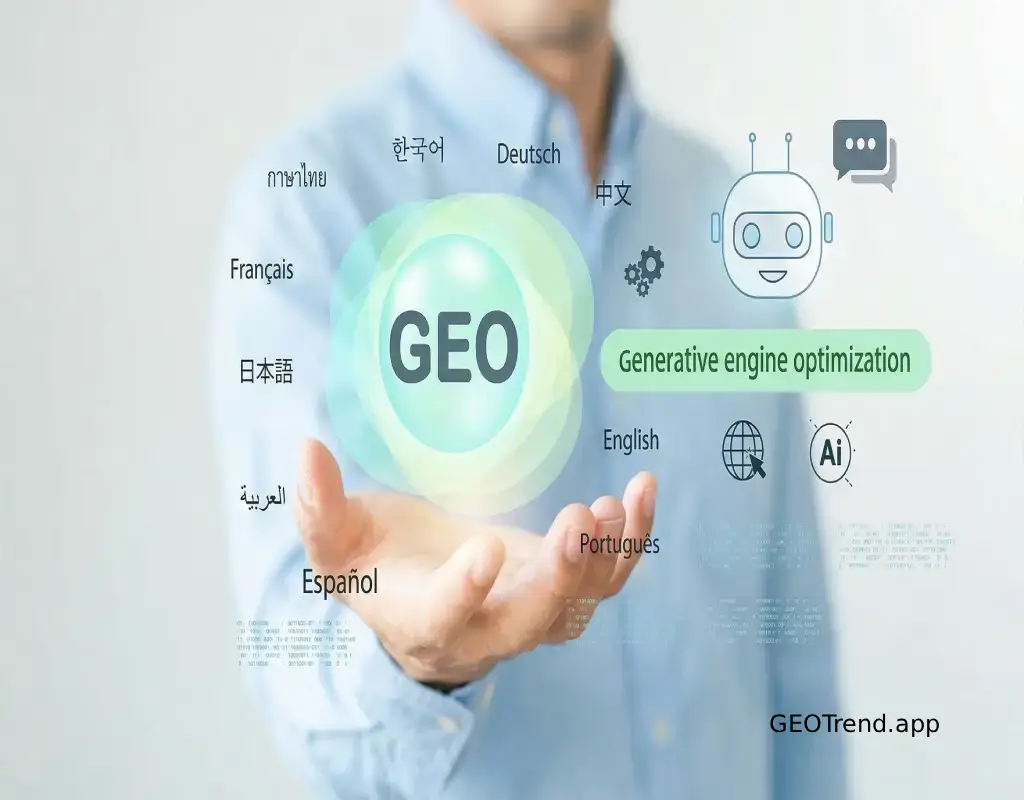
With the rise of artificial intelligence and large language models (LLMs), digital marketing is undergoing a transformation. So, what are GEO, which is replacing traditional search engine optimization, and Geo Trend, the next-generation analytics tool?
The internet ecosystem is undergoing a revolutionary transformation in how users access information. Google’s classic blue links, which have been the unwavering leader of the digital world for years, are giving way to AI-based answers from platforms like ChatGPT, Perplexity, Gemini, and Claude. Users are no longer searching for keywords and browsing websites one by one; instead, they are asking direct questions to AI and receiving refined answers. It is at this turning point that two new concepts enter our lives: GEO (Generative Engine Optimization) and Geo Trend, the analytical approach that keeps its finger on the pulse of this new era. In this article, we delve into the concept of GEO, the role of Geo Trend, and the radical differences between them and SEO, all of which you must know to carry your digital presence into the future.
What is Geo Trend?
Geo Trend is a strategic approach that analyzes how visible websites and brands are in AI-powered search engines (such as Perplexity, Google SGE, OpenAI Search), what kind of trend they are catching in which AI engine, and monitors these next-generation traffic sources. While classic SEO tools (like Ahrefs, Semrush) measure your ranking and keyword volumes on Google, Geo Trend focuses on tracking the frequency and tendency of your brand being cited as a reference in AI-generated answers (in bibliographies and citations). It is the most modern way to measure your popularity and reliability trend in the eyes of AI.
What is GEO (Generative Engine Optimization)?
GEO (Generative Engine Optimization) is the process of optimizing your website’s content so that it can be easily read, scanned, and recommended to users by Large Language Models (LLMs) such as ChatGPT, Gemini, and Perplexity. While SEO tries to get us to the first position on Google, GEO tries to make us the “source link in the most accurate answer” provided by AI to the user. It focuses on the accuracy of information, authority, and direct answers to questions, rather than algorithmic keyword placement.
Key Differences Between SEO and GEO
SEO and GEO are not enemies; they are complementary. However, there are very sharp differences between them in terms of their operating principles, target audiences, and optimization techniques.
| Feature | SEO (Search Engine Optimization) | GEO (Generative Engine Optimization) |
|---|---|---|
| Target Platform | Google, Bing, Yandex, etc. (Classic Search) | ChatGPT, Perplexity, Gemini, Claude, etc. |
| Focus | Keywords, search volume, click-through rate (CTR) | Natural language structure, information depth, direct answers |
| User Behavior | Types keywords, clicks on listed sites | Asks questions conversationally, wants a single summarized answer |
| Technical Requirement | Meta tags, Sitemaps, URL structures | Schema data, citable data tables, E-E-A-T |
| Success Criterion | Ranking on the first page or in the 1st position in SERP | Being shown as “Source/Reference” in AI answers |
4 Ways to Make Your Content GEO and Geo Trend Compliant
If you want your website to be trending not only in today’s but also in future AI searches, you need to shape your content strategy according to these 4 basic rules:
- Produce Q&A-Oriented Content: Users don’t type “best CRM software” into AI; they ask, “Which CRM software is the most secure and easy to integrate for a 5-person startup with a limited budget?” In your content, provide direct, clear, and straightforward answers to such specific questions.
- Embrace E-E-A-T Principles: AI engines question the reliability of the source they get information from to avoid hallucinations. Strengthen your Experience, Expertise, Authoritativeness, and Trustworthiness (E-E-A-T) signals. Author biographies and academic/industry citations are vital for GEO.
- Present Data with Tables and Lists: AI (LLM) models process structured data, comparison tables, and statistical lists very easily. Using tables instead of raw text in your content increases the likelihood of AI citing you by nearly 40%.
- Implement Schema (Structured Data) Markups Completely: Don’t expect bots to understand your site like a human. Technically whisper to AI what your content is about by using FAQ, Product, Article, and Organization schema codes in JSON-LD format.
“In the future, it won’t be the websites ranking high in search engines that dominate organic traffic, but rather those trusted, recommended, and referenced by AI. Shifting your digital strategy from SEO to GEO today is insuring your brand’s future.”
Are You Ready for the New Trend in the Search World?
To summarize; SEO is the art of attracting human traffic to your website by deciphering the algorithms of traditional search engines. GEO, on the other hand, is the art of gaining the trust of AI engines, enabling them to recommend your brand to users like intelligent assistants. Geo Trend is your compass, showing you where you stand on this digital transformation journey. By initiating an AI-compatible structural transformation in every area of your website, from landing pages to blog content, you can maintain leadership in the future search world.